
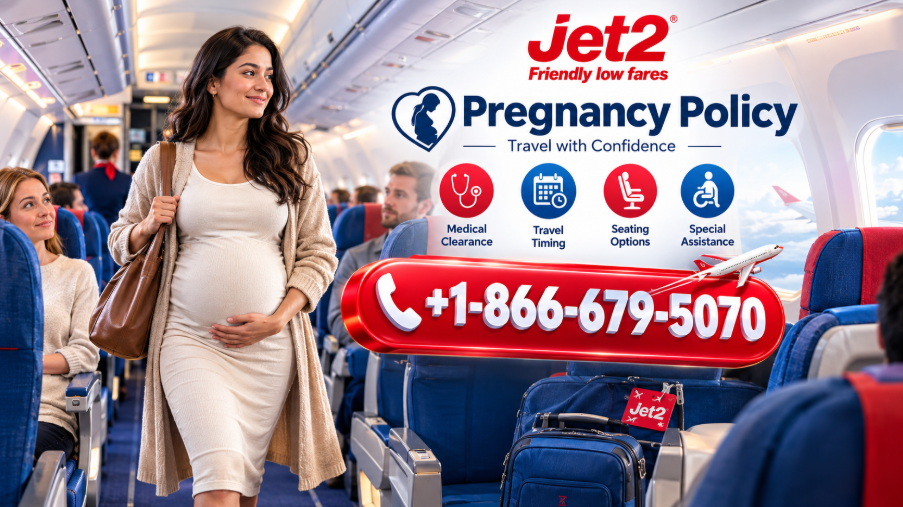
Expecting a baby is an exciting chapter filled with extensive planning, nursery preparations, and often a desire to take one final relaxing holiday before the new arrival. Many expectant mothers wonder about the safety, comfort, and restrictions associated with commercial aviation during pregnancy. Airlines enforce careful operational procedures to safeguard the health and well-being of both mother and child while airborne. Understanding these regulations well in advance helps you coordinate your travel timeline, secure required documentation, and avoid stressful situations at airport check-in counters.
Navigating holiday plans requires a careful review of the official Jet2 Airlines Pregnancy Policy to ensure full compliance with operational safety standards. The carrier outlines specific travel windows and documentation requirements depending on whether you are expecting a single child or a multiple pregnancy. By understanding these structured rules before booking your flights, you can protect your holiday investment and prevent any unexpected issues at the departure gate as your due date approaches.
Decoding the Jet2 Fit to Fly Certificate Gestational Week Limit
A core element of planning your trip involves understanding the strict timeline restrictions enforced by the airline. The Jet2 fit to fly certificate gestational week limit dictates exactly how far along you can be before travel is no longer permitted on their aircraft. For an uncomplicated single pregnancy, the carrier cannot carry expectant mothers beyond the end of the 35th week of gestation. If you are expecting twins or multiple children, travel is prohibited past the end of the 33rd week. Recognizing these hard cut-off dates prevents situations where passengers find themselves unable to board their return flight. If you have any immediate questions regarding your specific travel timeline or need direct customer support, you can reach out by calling +1-866-679-5070 for real-time assistance.
Navigating Jet2 Flying While Pregnant Rules and Medical Clearance
As your pregnancy progresses into the third trimester, administrative steps become mandatory to secure boarding authorization. Following the established Jet2 flying while pregnant rules and medical clearance guidelines ensures that everything goes according to plan. From the end of the 27th week onward, expectant mothers must present a formal doctor or midwife letter confirming their fitness to fly. Obtaining Jet2 Pregnancy Medical Clearance requires a signed and stamped certificate from a registered medical professional stating the expected due date and confirming that there are no pregnancy complications. This document must be dated carefully within seven days of your outbound departure and sixteen days of your return flight.
Exploring Seating Choices and Support Services
Passenger comfort is paramount during long journeys, especially when carrying a growing baby. Reviewing Jet2 seating options and special assistance for pregnant passengers helps you identify amenities designed to reduce travel fatigue. Expectant mothers can request aisle seating during the online booking process or at check-in desks to allow for frequent stretching and easy access to aircraft facilities. Additionally, the airline provides assisted travel services for passengers who experience mobility challenges or require terminal support. If you need help organizing specialized airport assistance or want to clarify baggage drop protocols, calling +1-866-679-5070 connects you with knowledgeable professionals ready to help.
Essential Health Tips for Expectant Mothers in Flight
Flying while pregnant is generally safe for straightforward pregnancies, but taking proactive measures enhances your overall comfort. Staying well-hydrated by drinking plenty of water throughout the flight helps counteract cabin dryness. Moving your legs, flexing your ankles, and walking down the aisle every thirty minutes encourages healthy blood circulation and minimizes the risk of stiffness or deep vein thrombosis. Wearing comfortable, loose-fitting clothing and supportive maternity footwear also makes a substantial difference during long-haul flights or airport transfers. Always consult your primary midwife or obstetrician before finalizing any travel plans.
Frequently Asked Questions
Q1: Can I use a general doctor letter instead of the airline's specific template?Yes, a fit-to-fly certificate provided by a doctor or midwife on official surgery or hospital headed paper can be accepted, provided it contains all mandatory details, confirms no complications, and adheres to the strict departure and return date windows.
Q2: What happens if I forget my medical certificate at home?
Failing to present a valid fit-to-fly certificate from week 28 onward can result in being refused boarding at the airport check-in desk, so always verify your documents are packed securely.
Conclusion and Final Support Information
Planning a trip during pregnancy requires meticulous attention to airline timelines, documentation rules, and personal wellness guidelines. By understanding gestational thresholds, securing your medical paperwork within the precise validity window, and utilizing passenger support services, you ensure a relaxed and safe journey. Adhering to the official carrier guidelines protects your health and travel plans. For fast assistance, booking inquiries, or personalized support regarding your upcoming itinerary today, call customer service specialists directly at +1-866-679-5070 to receive expert guidance and live assistance right away.